


I was a Philosophy major in college. At a party school.
You’re thinking the same thing my parents were at the time, and for good reason.
“What kind of job does that get you?”
The answer is: not much of one.
After graduation, I scrambled to get my real estate license because I literally had no idea what else to do.
I could pass the state exams, and broker tests…
But I felt like a complete fraud trying to advise people on the biggest financial decision of their lives when the biggest financial decision of my new career was the exam filing fees.
I was a fresh college grad who couldn’t budget for groceries or file taxes without selling plasma.
I was broke, confused, and drowning in financial anxiety. I drown in plenty of other anxiety, but for this story, it’s financial.
That’s when I stumbled across James Altucher’s “Choose Yourself.”

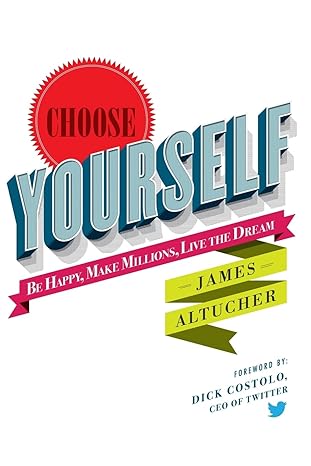
Then “Choose Yourself Financially.“
These books spoke to someone like me – someone with zero traditional finance background who needed to figure things out from scratch.
But the real game-changer came when I discovered his podcast right before the pandemic hit.


It was intoxicating.
I started consuming every personal finance podcast I could find.
Before long, I had gone from financially clueless to actually understanding money.
Reading was the spark, but personal finance podcasts for beginners became the gasoline that fueled my entire financial transformation.
If you’re broke, confused, and tired of feeling stupid about money, these podcasts will change everything.
Trust me. I’ve been exactly where you are.
Why Podcasts beat Books When You’re Broke
Look, I love books.
But when you’re living paycheck to paycheck, podcasts are your secret weapon.
First, they’re completely free.
No $25 hardcover that you’ll feel guilty about buying.
No library late fees when you forget to return it because you’re working two jobs.
Second, you can listen while doing other things.
I absorbed years of financial education during my commute to showing houses I couldn’t afford to buy myself.
Washing dishes, walking the dog, sitting in traffic – all became classroom time.
Books require you to sit still and focus.
When you’re stressed about money, sitting still feels impossible.
Your brain is constantly spinning with worry.
Podcasts let you multitask your way to financial literacy.
Plus, there’s something powerful about hearing real people tell their real stories.
When Dave Ramsey talks to someone drowning in credit card debt, you hear the emotion in their voice.
When someone calls in to share their debt-free scream, you feel their joy. You see your future possibility in their current win.
Books give you theory.
Podcasts give you humanity. As Prof G says, when someone comes up to him to say thank you, it’s because of his podcast. Not his classes, TV appearances, or books.
And when you’re broke, you need to know you’re not alone in this mess.
You need to hear that other people have climbed out of the same hole you’re in.
That’s exactly what these shows deliver.
The 12 Essential Personal Finance Podcasts for Beginners
I’m going to break these down by where you are in your journey. Don’t try to listen to all of them at once. Start with one, get comfortable, then add another.
Starting from Zero (You’re Completely Lost)
The Broke Generation with Emma Edwards
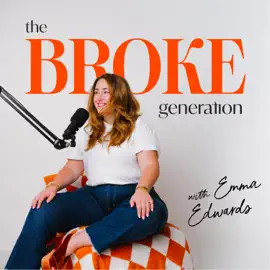
Emma gets it. She’s an independent podcaster who talks about money like a real person, not some financial advisor in a suit.
Her August 2025 episodes cover everything from “How to Budget When You Have No Money” to “Side Hustles That Don’t Require Startup Cash.” She doesn’t sugarcoat anything.
When I first heard her episode about eating ramen for three weeks straight to pay rent, I almost cried. Finally, someone who understood what broke actually meant.
Money For the Rest of Us with David Stein
David’s approach is refreshingly honest. He doesn’t assume you have a trust fund or a six-figure salary.
His recent episodes dive into practical stuff like “Emergency Funds When You Live Paycheck to Paycheck” and “Investing Your First $100.” He breaks down complex concepts into bite-sized pieces that actually make sense.
More Money Podcast with Jessica Moorhouse
Jessica’s Canadian perspective brings a fresh take to personal finance. She covers the basics without talking down to you.
Her August 2025 series on “Financial Foundations” walks through budgeting, saving, and debt payoff step by step. Perfect for when you need someone to hold your hand through the process.
Building Basic Skills (You Know the Basics, Need Structure)
The Ramsey Show with Dave Ramsey, George Kamel, and Jade Warshaw
Love him or hate him, Dave Ramsey’s baby steps work. His approach is simple: get out of debt, build an emergency fund, then start investing.
The show posts daily, so you’ll never run out of content. George and Jade bring younger perspectives that balance out Dave’s sometimes harsh delivery.
I followed their debt snowball method to pay off $15,000 in credit cards. It took 18 months, but it worked.
BiggerPockets Money with Scott Trench and Mindy Jensen

These two make money conversations fun. Scott’s the numbers guy, Mindy’s the practical one.
Their “Money Story” episodes feature real people sharing their financial journeys. You’ll hear from teachers, nurses, and regular folks who built wealth slowly and steadily.
Afford Anything with Paula Pant
Paula’s tagline is “You can afford anything, but not everything.” That philosophy changed how I think about spending.
Her episodes on opportunity cost and intentional spending hit different when you’re broke. She helps you understand that every dollar has a job.
Growing Your Knowledge (Ready for More Advanced Concepts)
ChooseFI with Jonathan Mendosa and Brad Barrett
These guys introduced me to the FIRE movement (Financial Independence, Retire Early). Even if early retirement isn’t your goal, their strategies for saving and investing are gold.

Their August 2025 episodes cover everything from house hacking to geographic arbitrage. They interview real people who’ve achieved financial independence on modest incomes.
Jill on Money with Jill Schlesinger
Jill’s a former Wall Street trader who explains complex financial concepts in plain English. Her CBS background shows – the production quality is top-notch.
She covers market trends, investment basics, and retirement planning without the jargon. Perfect for when you’re ready to move beyond budgeting into actual wealth building.
We Study Billionaires with Stig Brodersen and Preston Pysh
Don’t let the name scare you. These guys study what wealthy people do so regular folks can apply those lessons.
Their “Millennial Investing” episodes break down stock market basics for beginners. They explain why index funds matter and how compound interest actually works.
Advanced Beginner Level (You’re Getting Confident)
The Intrinsic Value Podcast with Shawn O’Malley
Shawn dives deeper into investment analysis and market psychology. His August 2025 series on “Value Investing for Beginners” is brilliant.
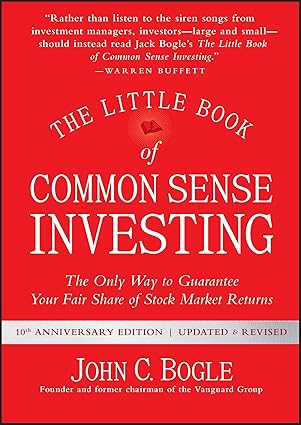
This is where you go when you’re ready to understand not just what to invest in, but why. He makes Warren Buffett’s strategies accessible to regular people.

Each of these shows taught me something different. But more importantly, they showed me that building wealth isn’t some mysterious process reserved for people with MBAs.
It’s a skill you can learn, one episode at a time.
What to Listen for When You’re Starting Out
When you first start listening to finance podcasts, it’s like drinking from a fire hose. Everyone’s throwing around terms like “asset allocation” and “tax-advantaged accounts.”
Don’t panic. Focus on these five core concepts first.
Debt Payoff Strategies That Actually Work
Listen for episodes about the debt snowball versus debt avalanche methods. The snowball (paying smallest debts first) gave me quick wins that kept me motivated. The avalanche (paying highest interest first) saves more money mathematically.
Pick the one that matches your personality. If you need motivation, go snowball. If you’re disciplined with numbers, go avalanche.

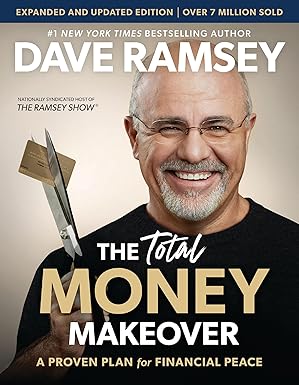
I heard Dave Ramsey explain this concept probably fifty times before it clicked. That’s normal.
Emergency Fund Building (Even When You’re Broke)
Every podcast will tell you to save three to six months of expenses. When you’re broke, that feels impossible.
Listen for episodes about micro-emergency funds. Start with $100. Then $500. Then $1,000.
Emma Edwards has a great episode about saving your emergency fund in $25 increments. That’s how I started.
Basic Budgeting That Doesn’t Suck
Skip the complicated spreadsheet episodes at first. Look for simple budgeting methods like the 50/30/20 rule or zero-based budgeting.
Paula Pant’s episodes on “conscious spending” changed my entire approach. She taught me that budgets aren’t about restriction – they’re about intention.
Simple Investing Concepts
Don’t worry about individual stock picking yet. Focus on episodes about index funds, ETFs, and compound interest.
The BiggerPockets Money episode “Investing for Dummies” broke down why index funds are perfect for beginners. Low fees, instant diversification, and you don’t need to be a stock market genius.
Side Hustle Ideas That Don’t Require Capital
When you’re broke, your biggest asset is your time and energy. Listen for episodes about freelancing, gig work, and skills-based side hustles.
James Altucher’s podcast taught me that everyone has something valuable to offer. You just need to figure out what that is and how to monetize it.
The key is to listen actively, not passively. Take notes. Pause episodes to think about how the advice applies to your situation.
I kept a simple notebook where I wrote down one actionable thing from each episode. That notebook became my financial roadmap.
My Value Podcast Journey
Let me tell you about my biggest financial mistake.
And how podcasts saved me from making it worse.
After getting my real estate license, I thought I was hot stuff.
I had access to market data, I was talking to clients about mortgages, and I figured I knew enough to start investing in equities…
So I opened a brokerage account and started buying individual stocks.
Tesla, Apple, some random biotech company I heard about on Reddit. Stonks, you know?
Within three months, I’d lost $6,000.
Money I absolutely could not afford to lose.
That’s when I found the ChooseFI podcast.
Brad and Jonathan were talking about index funds, and I had no idea what they meant.
But they kept saying the same thing: “Don’t try to pick winners. Buy the whole market.”
It took me six months of listening before I finally understood.
Individual stocks are gambling.
Index funds are investing.
The breakthrough moment came during a We Study Billionaires episode about Warren Buffett.
Stig explained how even Buffett recommends index funds for regular people.
If it’s good enough for the Oracle of Omaha, it’s good enough for me.
But here’s the thing – I made plenty of other mistakes along the way.
I tried the envelope budgeting system after hearing about it on The Ramsey Show.
Complete disaster.
I’m not organized enough for physical envelopes.
Then I swung too far the other direction and tried to track every penny using some complicated app.
That lasted about two weeks.
Finally, Jessica Moorhouse talked about the “good enough” budget on her podcast.
Track the big categories, don’t stress about the small stuff.
That actually worked. Good enough beats perfect 100% of the time. (Not medical [or investment] advice).
The real turning point came when I heard Paula Pant interview someone who’d paid off $80,000 in student loans on a teacher’s salary.
If she could do that, I could handle my measly $15,000 in credit card debt.
But it wasn’t just the strategies that helped.
It was hearing real people share their real struggles.
When Dave Ramsey took a call from someone who’d been living in their car, I realized my problems weren’t that bad.
In 2025, though, in hindsight, living in the car seems like a rent saving opportunity to charish.
When Emma Edwards talked about choosing between gas money and groceries, I felt less alone.
The podcasts gave me permission to be imperfect.
To make mistakes and learn from them.
To start over when something didn’t work.
Most importantly, they taught me that building wealth isn’t about being perfect.
It’s about being consistent.
One episode at a time.
One dollar at a time.
One decision at a time.
How to Actually Use these Podcasts
This isn’t the first time we’re going to mention this process on this site.
We have a vested interest in the growth of podcasts, so we’re here to give you that first taste and make sure the habit sticks.
So, what do you do? Here’s what I wish I’d have heard first.
Don’t just listen.
Actually do something with what you hear.
Not just passive consumption.
Create a Simple Listening Schedule
I made the mistake of trying to listen to everything at once.
Bad idea.
Information overload leads to analysis paralysis.
Start with one podcast.
Listen to three episodes.
If it clicks, stick with it for a month.
My current rotation:
- Monday: The Ramsey Show (for motivation)
- Wednesday: BiggerPockets Money (for practical tips)
- Friday: ChooseFI (for bigger picture thinking)
That’s it.
Three shows, three days a week.
Take Notes That Actually Matter
Don’t try to write down everything.
Focus on one actionable item per episode.
I use my phone’s notes app and keep it simple:
- Episode title
- One thing I learned
- One thing I’ll do differently
For example:
“BiggerPockets Money – House Hacking 101
Learned: You can live in a duplex and rent the other side
Action: Research duplexes in my area”
The 24-Hour Rule
Here’s the game-changer:
Within 24 hours of listening to an episode, do one small thing related to what you learned.
Heard about emergency funds?
Transfer $25 to savings.
Learned about index funds?
Research Vanguard’s website for 10 minutes.
Episode about budgeting apps?
Download one and set it up.
The action doesn’t have to be big.
It just has to be real.
Track Your Progress
I keep a simple spreadsheet with three columns:
- Date
- What I learned
- What I did about it
Looking back at six months of entries showed me how much I’d actually grown.
It’s motivating when you feel stuck.
Join the Communities
Most podcasts have Facebook groups or Discord servers.
Join them.
Ask questions.
Share your wins and failures.
The ChooseFI Facebook group helped me through my first investment decision.
Real people sharing real advice based on real experience.
Don’t Chase Shiny Objects
Every podcast will mention new apps, investment platforms, or strategies.
Write them down, but don’t act immediately.
I wasted so much time switching between budgeting apps because each podcast host recommended something different.
Pick one system and stick with it for at least three months.
The Pause Button Is Your Friend
When someone explains a concept you don’t understand, pause the episode.
Look it up.
Make sure you get it before moving on.
I spent an entire week researching what a Roth IRA actually was after hearing it mentioned on five different shows.
Best week I ever invested in my financial education.
Create Your Own Curriculum
After three months of random listening, I got strategic.
I mapped out what I needed to learn in order:
- Budgeting basics (Month 1)
- Debt payoff strategies (Month 2)
- Emergency fund building (Month 3)
- Investment fundamentals (Month 4)
Then I searched for specific episodes on those topics.
Much more effective than random listening.
The key is treating podcasts like a college course, not entertainment.
You’re not just passing time – you’re building skills that will change your life.
Red Flags to Avoid in Finance Podcasts
Not all finance podcasts are created equal.
which means it’s time for another reminder, this is not investment or legal advice.
From personal experience as someone in your shoes, here’s what I’ve found.
Some will help you build wealth.
Others will separate you from what little money you have.
Here’s how to spot the bad ones before they cost you.
The Get-Rich-Quick Promise
If a podcast host promises you’ll be wealthy in six months, run.
Real wealth building takes years, not weeks.
I fell for this once.
Some guy was promising “financial freedom in 90 days” through cryptocurrency day trading.
I lost $500 in my first week trying his “foolproof system.”
Good podcasts talk about compound interest and long-term thinking.
Bad ones promise shortcuts that don’t exist.
Hosts Without Real Experience
Anyone can start a podcast.
Not everyone should be giving financial advice.
Look for hosts who share their actual numbers.
Dave Ramsey talks about his bankruptcy.
Paula Pant shows her real estate portfolio.
The ChooseFI guys share their net worth updates.
A host doesn’t have to be a CPA, but…
If a host won’t tell you their financial background, that’s a red flag.
How can you trust someone who won’t be transparent about their own money?
Everything Requires Their Course
Free podcast, $2,000 course to get the “real secrets.”
This model makes me sick.
Good podcasts give you actionable advice in every episode.
They might mention a course or book, but the podcast itself provides value.
I learned everything I needed about index fund investing from free podcast episodes.
No course required.
Overly Complex Strategies for Beginners
Some hosts love showing off how smart they are.
They’ll spend an hour explaining options trading strategies to people who don’t even have emergency funds.
When you’re starting out, you need simple advice.
Budget, save, invest in index funds, repeat.
If a podcast makes you feel stupid for not understanding advanced concepts, find a different show.
Sponsored Content Disguised as Advice
“This episode is brought to you by ScamCoin, the cryptocurrency that’s going to revolutionize everything.”
Then they spend 20 minutes explaining why you need to buy ScamCoin immediately.
Good podcasts clearly separate sponsored content from advice.
They’ll say “This is an ad” or “Our sponsor today is…”
Bad ones weave product pitches into their advice so you can’t tell the difference.
Back in the my print days we called these “advertorials.” Mixture of advertising content with editorial content.
Nothing new under the sun, right?
The Lifestyle Inflation Trap
Some podcasts focus more on showing off wealth than building it.
Fancy cars, expensive watches, luxury vacations.
That’s not financial education.
That’s lifestyle porn.
The best finance podcasts feature people who live below their means.
They drive used cars and shop at Target.
They’re wealthy because they don’t act wealthy.
No Discussion of Risk
Life is risky.
Any investment strategy that doesn’t mention risk is lying to you.
The stock market goes down sometimes.
Real estate values can drop.
Businesses fail.
Good podcasts talk about risk management and diversification.
Bad ones only show you the upside.
As an aside, if you’d like one of my favorite books on risk, you should read “How Risky is it Really?” Not just for financial situations, but for any kind of risk.
The “Secret System” Nonsense
“I’ve discovered the one weird trick that financial advisors don’t want you to know.”
There are no secrets in personal finance.
The strategies that work have been around for decades.
Spend less than you earn.
Invest the difference in low-cost index funds.
Be patient.
That’s it.
No secrets, no tricks, no shortcuts.
Trust me, I’ve looked for the shortcuts.
They don’t exist.
The podcasts that promise them are selling you false hope.
Stick with hosts who tell you the truth:
Building wealth is simple, but it’s not easy.
It takes time, discipline, and patience.
Anyone promising otherwise is trying to sell you something.
The Bottom Line: Your Broke-to-Boss Transformation Starts Now
I’m not going to lie to you.
Listening to personal finance podcasts for beginners won’t magically make money appear in your bank account.
But they will teach you how to keep the money you do make.
And how to make that money work for you instead of against you.
Start with The Broke Generation if you need someone who gets your struggle.
Move to The Ramsey Show when you’re ready for tough love.
Graduate to ChooseFI when you want to dream bigger.
Six months from now, you’ll be the person giving advice to your broke friends.
A year from now, you’ll wonder why you waited so long to start.
20 years ago was, hands down, the best time to plant a tree.
The second best? You’re in that moment, right now.
Same goes for your financial education.
Pick one podcast from this list.
Download three episodes.
Start listening today.
Your future self will thank you.
And your current broke self will finally have some hope.
Personal finance podcasts for beginners aren’t just entertainment – they’re your roadmap out of financial chaos.
Time to get walking.