


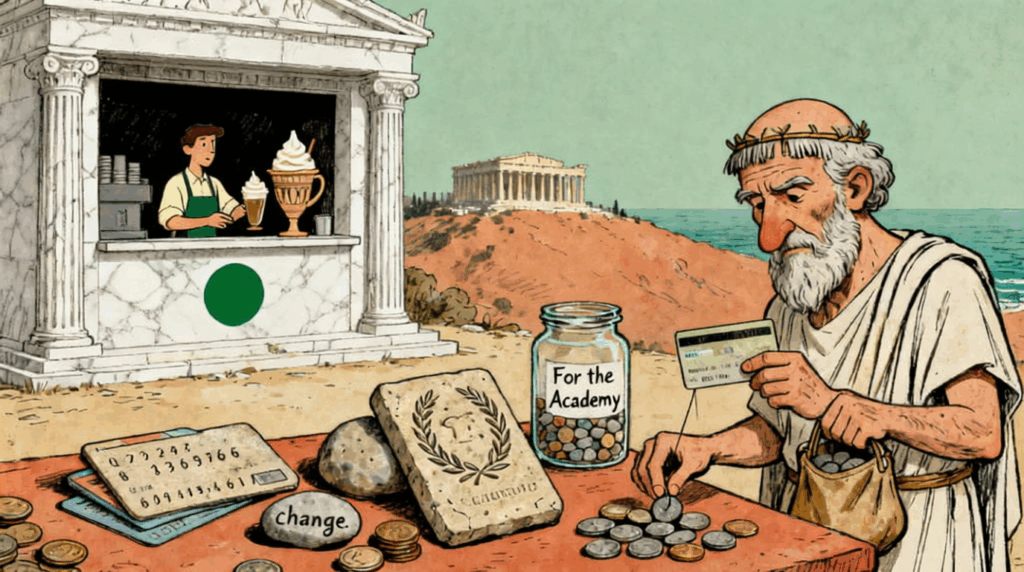
Look, we’ve been through some stuff.
My business partner and I.
The dot-com crash.
The 2008 housing meltdown.
COVID market chaos.
“Crypto winter.”
Every time, we asked ourselves the same question: how the hell did we get here again?

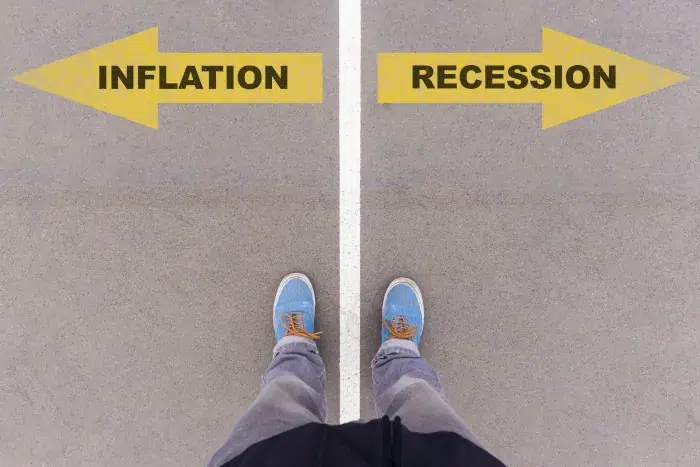
Turns out, we’re not the first people to watch their portfolios implode.
Not even close.
This stuff has been happening for centuries.
That’s why we started listening to financial history podcasts.
Not the ones telling you which stocks to buy.
The ones that explain how tulip bulbs became worth more than houses, why banks needed bailouts in 1907, and how every bubble follows the same damn script.
These shows changed how we think about money.
They gave us context when the news was screaming panic.
They showed us the patterns we couldn’t see before.
Here are the best financial history podcasts we’ve found.
Why We Started Listening to This Stuff
After 2008, we were pissed.
Not just at the banks or the government.
At ourselves for not seeing it coming.
Everyone said it was unprecedented.
Except it wasn’t.
The same thing happened in the 1930s.
And the 1890s.
And probably a dozen other times we’d never heard about.
Financial history podcasts became our education.
They explained why central banks exist, how credit bubbles form, and why politicians always promise ‘this time is different.’
Spoiler: it never is.
Once you understand the patterns, you stop freaking out every time the market drops 10%.
You start asking better questions.
You see the game for what it is.
The Podcasts That Actually Taught Us Something
Acquired

Ben Gilbert and David Rosenthal tell the stories of how companies got built.
Not the sanitized PR version.
The real version, with all the financial decisions, power moves, and near-death experiences.
Their episodes are long—sometimes over three hours—but we’ve never been bored.
They cover Nike, Berkshire Hathaway, Costco, LVMH.
Each one is a masterclass in how money and strategy actually work.
After listening to their Berkshire series, we finally understood what Warren Buffett was actually doing all those years.
It wasn’t magic.
It was just understanding how businesses make money over decades, not quarters.
Start with: The Berkshire Hathaway episodes.
All three parts.
Clear your schedule.

Tides of History
Patrick Wyman is a historian who gets that money runs everything.
Always has.
He covers medieval banking, the fall of Rome, the rise of trade networks.
Stuff that sounds boring until you realize it’s the same dynamics playing out today.
The Medici didn’t just make art.
They invented modern banking.
Rome didn’t fall because of barbarians.
It fell because they debased their currency and couldn’t pay their bills.
Wyman connects the dots between then and now better than anyone.
Start with: The episodes on the Medici Bank.
You’ll never look at your bank the same way.
Business Wars
Yeah, it’s a Wondery production.
Yeah, it’s got that dramatic narrator voice.
But damn if it isn’t entertaining.
Business Wars covers the epic battles between companies.
Coke vs. Pepsi.
Nike vs. Adidas.
Netflix vs. Blockbuster. (Or Hollywood Video… hah!)
Each series breaks down the financial strategies, the market moves, the decisions that killed companies or made them billions.
It’s not deep academic history.
It’s the kind of storytelling that makes you want to keep listening.
Start with: Amazon vs. Walmart.
Two completely different approaches to retail dominance.
Both worked.
The History of Rome
Mike Duncan spent years telling the story of Rome.
All of it.
From founding to collapse.
This particular podcast isn’t publishing recently, but, neither is Rome. So, we made an exception, because, you know, history.
The military stuff is cool, but the economic stuff is what stuck with us.
How Rome’s currency got debased.
How their tax system broke down.
How inflation destroyed an empire.
Sound familiar?
Duncan doesn’t preach.
He just lays out what happened.
You draw your own conclusions.
Start with: Episodes 150-160.
The Crisis of the Third Century.
Rome’s economy implodes in real time.
Cautionary Tales
Tim Harford tells stories about disasters.
Financial disasters, engineering disasters, policy disasters.
The common thread?
Smart people making terrible decisions because they ignored warning signs or got too confident.
His episode on the 2008 crash is brutal.
Not because he’s mean.
Because he shows exactly how obvious the warning signs were and how everyone ignored them anyway.
We’ve listened to that one three times.
It’s a reminder that we’re all capable of being idiots when the money looks easy.
Start with: Any episode on financial fraud or market crashes.
They’re all good.
The Indicator from Planet Money
Ten-minute episodes.
That’s it.
NPR’s daily economics show covers everything, including financial history.
The origins of credit scores.
The history of inflation.
Why the Great Depression lasted so long.
Perfect for when you’re making coffee or walking the dog.
You learn something, and you’re done before you even realize it.
Start with: Search their archive for ‘economic history.’
Pick anything.
Odd Lots

Joe Weisenthal and Tracy Alloway from Bloomberg cover the weird corners of finance.
The stuff that doesn’t make headlines but actually matters.
They bring on historians, economists, and market experts who explain how we got here.
Their interview with Adam Tooze on the 2008 crisis was eye-opening.
So was their episode on the history of central banking.
It’s current events meets financial history.
And it’s never boring.
Start with: Any episode with a historian or economist.
They’re the best ones.
Revolutions
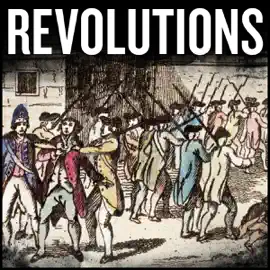
Mike Duncan again.
After Rome, he tackled revolutions.
Turns out, revolutions are always about money.
France’s debt crisis sparked the French Revolution.
America’s revolution was about taxes and trade.
Russia’s revolution happened because the economy collapsed.
Duncan walks through the financial crises that led to political upheaval.
It’s a reminder that when the money breaks, everything else breaks too.
In addition, Duncan gives us an actual thought experiment. We can learn from the past, right? Can we apply it to the future?
Sure. That’s what Duncan does in applying lessons from real revolutions to a fictional one on Mars in the 23rd century after human settlement. It’s a thought experiment to remove every variable aside from what humanity does to itself.
Very cool.
Start with: The French Revolution series.
Especially the episodes on France’s debt and the assignat currency collapse.
What Bitcoin Did
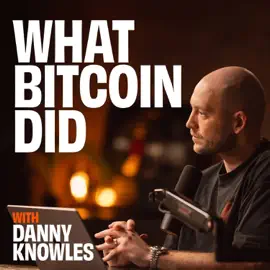
We know, we know.
Another Bitcoin podcast.
But Danny Knowles’ show (started originally by Peter McCormack) isn’t about price predictions or getting rich quick.
It’s about understanding Bitcoin’s place in the history of money. And because it’s a recent development, it is the perfect foil to look at these enormous historical lessons. It’s a microcosm, not unlike Duncan’s Martian revolution.
He interviews the cypherpunks who built it, the economists who study it, and the historians who put it in context.
Whether you love Bitcoin or hate it, understanding why it exists means understanding why fiat currency keeps failing.
Danny’s show does that better than most.
Start with: The interview with Saifedean Ammous.
It’s a crash course in monetary history.
The Rest Is History

Dominic Sandbrook and Tom Holland (not Spidey) are British historians who cover everything.
Ancient Rome, World War II, the Cold War.
Their financial history episodes are some of their best.
The South Sea Bubble.
The Wall Street Crash of 1929.
The economic impact of the Black Death.
They’ve got great chemistry, and they make it fun.
It’s like listening to two smart friends argue about history over beers.
Start with: The South Sea Bubble series.
It’s a wild ride.
What We Learned From All This
After a few years of listening to these shows, some patterns became obvious.
Every bubble looks different on the surface.
Tulips, shells, rocks, metal, railroads, tech stocks, real estate, Pokemon, crypto.
But underneath, it’s always the same story.
Easy money, rising prices, everyone convinced it’s different this time, then the crash.
Every financial crisis follows a script.
Leverage builds up.
Something breaks.
Panic spreads.
Governments step in.
Then everyone forgets and does it again.
The people in charge rarely know what they’re doing.
They’re making it up as they go, just like the rest of us.
Understanding this stuff doesn’t make you immune to losses.
But it does make you less likely to panic when things go sideways.
Because you’ve seen it before.
Even if you weren’t alive when it happened.
How to Actually Use These Podcasts
Don’t just listen passively.
Take notes.
Write down the patterns you notice.
When you hear about a historical event, ask yourself: where am I seeing this today?
The details change, but the dynamics don’t.
Follow the money.
Every story is about who profits and who loses.
Figure that out, and you understand the story.
Read the books these podcasts mention.
The hosts always reference their sources.
Track them down.
Go deeper.
Talk about what you learn.
We’ve had some of our best conversations after listening to these shows.
Teaching someone else forces you to really understand it.
Why This Matters Now
We’re living through another weird financial moment.
Inflation’s back.
Interest rates are bouncing around.
Markets are volatile.
We have some “unorthodox” tariff policies and the odd trade war or seventy.
Everyone’s got an opinion.
But here’s the thing: this has all happened before.
Maybe not exactly like this.
But close enough.
The best financial history podcasts give you the context to make sense of it.
They show you the patterns.
They explain the incentives.
They remind you that human nature doesn’t change, even when the technology does.
Pick one of these shows.
Start listening.
You’ll be smarter for it.
And the next time the market crashes, you won’t be asking ‘how did this happen?’
You’ll be asking ‘which historical crash does this look like?’
That’s a much better question.
Frequently Asked Questions
What’s the difference between finance podcasts and financial history podcasts?
Finance podcasts tell you what to buy.
Financial history podcasts tell you why everyone keeps making the same mistakes.
One is about making money now.
The other is about understanding why the system works the way it does.
We listen to both.
But the history stuff changed how we think.
The finance stuff just changed our portfolio.
What’s the best financial history podcast for beginners?
Planet Money.
No question.
It’s NPR, so it’s accessible.
They tell stories instead of lecturing.
And they cover historical money topics without making you feel stupid.
If you want something more focused, try Finance & History or Learning from Market History from Rational Reminder.
Both are beginner-friendly.
But honestly?
Start with Planet Money.
Get hooked first.
Go deeper later.
What episodes explain banking panics and lender of last resort?
Planet Money‘s episode on the Panic of 1907 is perfect.
It’s called ‘A Locked Door, A Secret Meeting And The Birth Of The Fed.’
Basically, a bunch of rich guys locked themselves in a room and invented the Federal Reserve because banks kept collapsing.
Wild story.
Totally true.
The Bankster Podcast has an episode on Lombard Street that explains how the Bank of England became the lender of last resort.
And Finance & History has interviews with banking experts who walk through how central banks work during crises.
After 2008, we wished we’d listened to these years earlier.
Are there UK-focused financial history podcasts?
Yeah.
The Economic History Podcast covers British financial institutions and events.
Queen’s University Centre for Economic History and Oxford’s Global History of Capitalism both do UK-focused shows.
They cover the Bank of England, British booms and busts, all that.
The Rest Is History also does great UK financial episodes.
Sandbrook and Holland are British, so they lean into it.
If you’re into how the UK shaped global finance, these are solid.
What’s the best podcast on the history of money and inflation?
Planet Money again.
They’ve done multiple episodes on the origins of money and how inflation works.
Jacob Goldstein’s episodes on money history are especially good.
If you want to go deeper, Cents and Sensibility: The Inflation Guy Podcast gets into the weeds on what drives inflation over time.
Finance & History also covers historical cycles of money and prices.
After listening to these, you’ll understand why inflation keeps coming back.
Spoiler: it’s not a new problem.
Is there a Bitcoin history podcast that’s not hype?
Yeah, a few.
Bitcoin Fundamentals from The Investor’s Podcast Network is solid.
They cover the origins and evolution without the ‘Bitcoin fixes everything’ nonsense.
EconTalk interviewed Nathaniel Popper, who wrote Digital Gold.
Great historical perspective.
What Bitcoin Did has comprehensive history episodes that focus on facts, not price predictions.
And Coin Stories does deep dives on Bitcoin’s social and market history without the hype.
We’re not Bitcoin “maximalists.”
But understanding its history helps you understand why people don’t trust central banks anymore.
How do I pick episodes if I only have 30 minutes?
The Indicator from Planet Money.
Episodes are under 15 minutes.
Perfect for a commute or a walk.
Money Guy Show does 30-45 minute episodes that work as one-offs.
You can also filter by runtime on Apple Podcasts or Spotify.
Just search for financial history and sort by length.
Player FM and podcast blogs curate short episodes too.
Look, we get it.
Not everyone has three hours for an Acquired episode.
Start small.
Build from there.
You’ll still learn more than 99% of people.