


It’s been an odd year.
Right?
I can’t be the only one feeling this.
I’ve spent most of 2025 feeling catatonic.
Not depressed, exactly.
More like I’m playing a shell game where all three cups are empty.
Chasing job opportunities that ghost me.
Pivoting to trends that die in three months.
Staring at my bank account, wondering what “stable” even means anymore.
Turns out I’m not alone.
At all.
I started scrolling Reddit at 2 a.m., looking for proof I wasn’t the only one spiraling.
Spoiler: I found an entire internet of people posting variations of “I’m so burned out” while reading other people’s “I’m so burned out” posts.
Very meta.
Very 2025.

According to Moodle’s State of Workplace Learning Report, 66% of U.S. employees report experiencing burnout, with younger workers hit hardest—81% of people under 34 and 83% of Gen Z workers specifically.
So here’s the thing about burnout vs depression: they’re related but different.
Burnout is situational—tied to your job, your circumstances, your 2025 reality.
Depression is pervasive—it affects everything, even things you used to love.
The overlap? Untreated burnout can lead to clinical depression.
Which is why catching it early matters.
And why I’m writing about podcasts.
Because you’re too burned out to read another 2,000-word medical article.
I get it.
Podcasts let you learn while horizontal, commuting, or pretending to do dishes.
Research published in JMIR Mental Health found that sound interventions—including audio content like podcasts—can activate the parasympathetic nervous system, reducing cortisol levels and heart rate during stress.
Translation: podcasts provide actual parasympathetic support for your fried nervous system.
They won’t fix capitalism.
But they might help you survive it.
The 2025 Burnout Epidemic Is Real (And the Data Proves It)
When r/adhdwomen, r/recruitinghell, and r/jobs are all saying the same thing, we have a pattern.
Not a coincidence.
A cultural moment.
Here’s what people are actually saying:
“Anyone else finding 2025 to be a pretty cursed year? Outside of the general doom of the worlds politics this year… there just seems to be a lot going wrong for a lot of people. Unemployment, unstable living situations, family drama etc.” — r/adhdwomen
“The market is absolutely, devastatingly COOKED in 2025. I genuinely don’t know how to describe what I’m seeing anymore. I thought 2024 was bad, but wow.” — r/recruitinghell
“I’m 24 and I already feel burnt out. From graduation until now in June 2025 I haven’t stopped working, I’ve never taken a break, I haven’t been on any vacations… I can’t enjoy my hobbies anymore, I never spend time with my family anymore.” — r/jobs
“My 2025 should be over… I worked 200% effort for two years… Meanwhile, we have been trying to have a baby for three years without success… I see no way to avoid a miserable life from now on.” — r/burnedout
These aren’t isolated complaints.
They’re data points in a collective trauma.
The Wall Street Journal called 2025 “The Year the Job Market Hit a Wall“—unemployment rose, wage growth shrank, and the shell game of chasing opportunities got even more exhausting.
The economic reality is simple: nothing feels stable.
Jobs that existed in January are gone by March.
Skills that were “hot” last quarter are irrelevant now.
And everyone’s playing musical chairs with fewer chairs every round.
That r/adhdwomen post hits different because it names what we’re all feeling: “a lot going wrong for a lot of people.”
Not just you.
Not just your industry.
Everyone.
The r/recruitinghell post captures the job market reality: “Everyone knows 5/6 other people dealing with long-term unemployment, despite having a solid work history and resume to show for it.”
And the 24-year-old on r/jobs asking “Can a fucking zombie apocalypse start already so I can be a nomad and forgo societal requirements?” is dark humor, but it’s also real desperation.
This isn’t individual failure.
It’s collective trauma dressed up as productivity culture.
And we’re all posting about it at 2 am because misery loves company, but also because we’re desperate to know we’re not broken.
We’re not.
2025 is.
Table of Contents
Burnout vs Depression: Why It Matters (And Why Podcasts Help)
The World Health Organization defines burnout as “chronic workplace stress that has not been successfully managed”—it’s situational, tied to your job, your circumstances, your 2025 reality.
Depression is different.
It’s pervasive.
It affects everything—work, relationships, hobbies you used to love, getting out of bed, caring about anything.

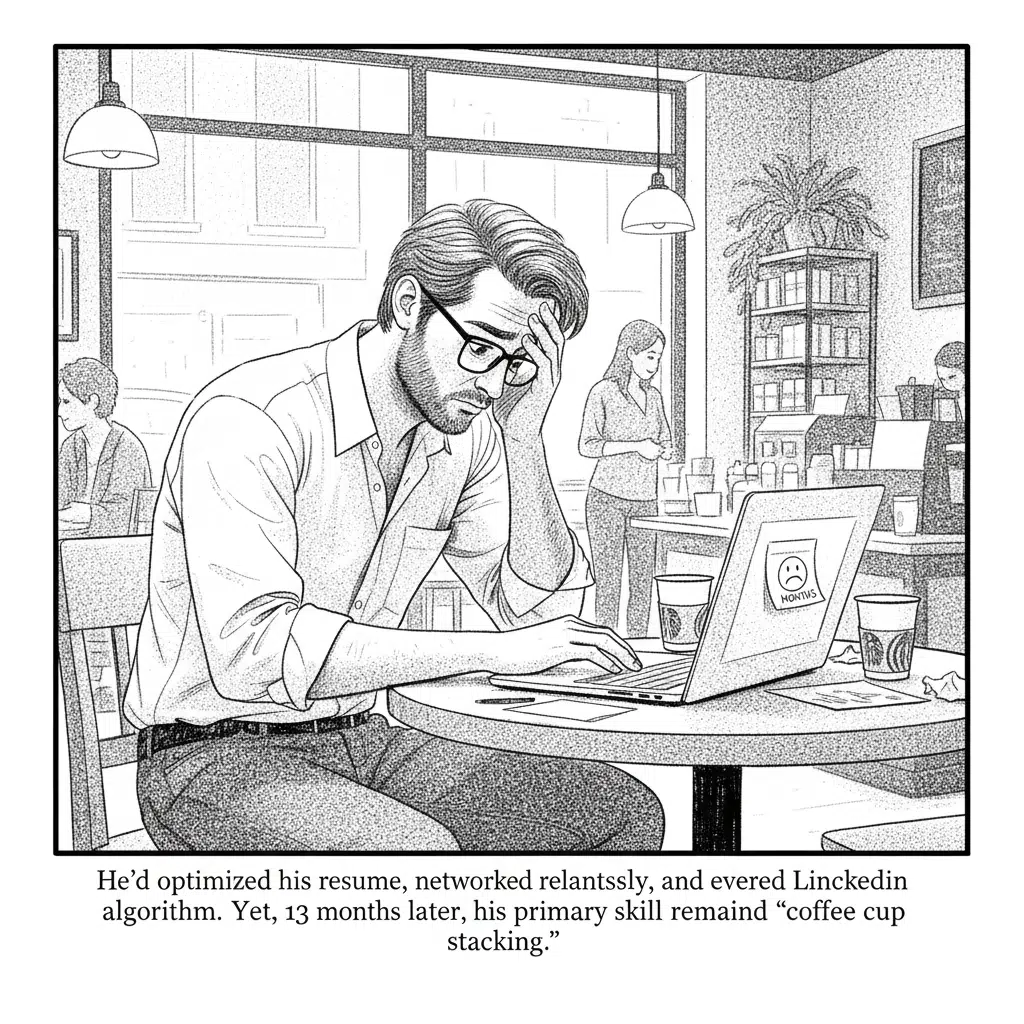
Burnout says “I hate my job and I’m exhausted.”
Depression says “I hate everything and I don’t know why.”
The overlap is where it gets tricky.
Research shows that while burnout and depression are distinct conditions, untreated burnout can lead to clinical depression—which is why catching it early matters.
If you’re burned out, changing your situation (new job, better boundaries, actual vacation) can help.
If you’re depressed, you need clinical support—therapy, possibly medication, definitely professional help.
But here’s what nobody tells you: most of us are dealing with both.
I couldn’t tell if I was burned out or depressed.
Spoiler: both.
The burnout came first—too much work, too little stability, too many months of running on fumes.
Then the depression crept in—stopped caring about things I used to love, stopped believing anything would get better, stopped seeing the point.
That’s the pipeline.
And that’s why podcasts matter.
Not as a replacement for therapy.
Not as a cure.
But as a middle ground between “I’m fine” and “I need to check myself into inpatient care.”
Podcasts are accessible.
You can listen while walking, commuting, lying in bed staring at the ceiling.
They don’t require the cognitive load of reading.
They don’t cost $200 per session.
And the good ones—the ones hosted by actual therapists, burnout coaches, and people who’ve been through it—provide real tools, real validation, and real community.
Research published in JMIR Mental Health found that sound interventions—including audio content like podcasts—can activate the parasympathetic nervous system, reducing cortisol levels and heart rate during stress.
Your nervous system needs to get out of fight-or-flight mode.
Podcasts can help with that.
They’re not magic.
But they’re something.
And when you’re burned out, “something” is better than scrolling Reddit at 2am hoping someone else has the answer.
If you’re dealing with anxiety on top of burnout, understanding the full picture of your mental health can help you choose the right recovery tools.
The Podcasts That Actually Help: A Curated List
Well, let’s see what we can do to help. We do that from time to time. It’s not the first time we’ve talked about anxiety.
I’m not going to recommend every burnout podcast that exists.
Most of them are generic self-help fluff hosted by people who’ve never actually been burned out.
These are different.
These are hosted by licensed therapists, burnout coaches, and people who’ve lived through the collapse and came out the other side.
These are the ones that helped me.
And based on the research, they’re helping a lot of other people too.
Understanding What’s Happening to You (Educational)
These podcasts explain the science, the symptoms, and the difference between burnout and depression without making you feel like you’re reading a medical textbook.
The Mental Fitness Podcast (Dave & Luke)

Sports science meets psychology with an October 2025 episode explicitly tackling burnout vs depression.
They break down the diagnostic nuances and practical recovery ideas for high performers.
Useful if you need someone to explain the clinical difference without the clinical jargon.
Real Life Counseling Podcast (Ryan Simpson et al.)

Counselors discuss real-world cases, including a September 2025 episode on burnout vs depression in teens.
They use the “kitchen vs whole house power outage” analogy—burnout is the kitchen (one area), depression is the whole house.
Helpful for understanding the scope of what you’re dealing with.
The Livy Method Podcast (Dr. Gina Livy)
Health and weight-loss podcast with a standout June 2025 burnout episode unpacking exhaustion, detachment, and productivity drops as warning signs.
Explicitly distinguishes everyday stress from full burnout.
Integrates hormones, psychology, and nutrition in a structured recovery method.
Therapist Burnout Podcast (Dr. Jen Blanchette)
Psychologist Jen Blanchette helps therapists, counselors, and trauma pros untangle burnout, compassion fatigue, and career pivot questions.
Deep niche for therapists, but the “is this burnout or depression?” framework applies to anyone in a helping profession—or anyone who feels responsible for everyone else’s problems.
Great for understanding how burnout shows up differently depending on your role.
Practical Recovery Strategies (Actionable)
These podcasts give you tools you can use today.
Not “see a therapist in six months.”
Not “practice self-care.”
Actual, specific strategies for getting out of the burnout hole.
The Burnout Recovery Podcast (Dr. Jo Braid)
Rehab physician Jo Braid helps healthcare workers spot early burnout signs, set boundaries, and rebuild energy with science-backed tools.
Her four-pillar recovery model (mindset, movement, sleep, support) is structured and practical.
Emphasizes “imperfect consistency” and concrete rest fixes instead of vague self-care advice.
November 2025 episodes walk through the ABCs of burnout recovery and coping strategies that actually help vs harm.
FRIED. The Burnout Podcast (Cait Donovan & Sarah Vosen)
Burnout experts Cait Donovan and Sarah Vosen share raw stories, coaching sessions, and nervous-system-savvy strategies to end burnout culture.
Strong storytelling plus live coaching.
Explicitly addresses shame, people-pleasing, and nonlinear recovery with a #endburnoutculture mission.
Their November 2025 episode on stopping self-sabotage during recovery uses nervous-system science to explain why recovery feels messy and how to build gentler habits.
Burnout-Proof Podcast (Coach Ellyn)
Short, candid episodes about building burnout-proof systems, redefining success, and thriving as a relentless high achiever.
Pulls from her own burnout story and uses behind-the-scenes system breakdowns.
Good for listeners who want tactical change, not just mindset shifts.
Her episode on recovering from burnout without taking time off is gold if you can’t afford a sabbatical.
Sustainable Success Podcast (Sheridan Ruth)

Real-talk on burnout, ADHD, and business growth, helping entrepreneurs create nervous-system-safe success instead of hustle-then-crash cycles.
Blends trauma-informed therapy and business coaching.
Strong on body-based tools and rethinking productivity “rules” that fuel burnout.
Useful if you’re self-employed and realizing your business model is burning you out.
You’re Not Alone (Community & Validation)
These podcasts make you feel less crazy.
They’re not about fixing you.
They’re about validating that what you’re experiencing is real, shared, and not your fault.
Black Girl Burnout (Kelley Bonner)

Short, semiweekly episodes helping Black women move from overwork and people-pleasing to rest, joy, and abundance in daily life.
Centering Black women’s burnout at work, home, and in relationships.
Feels like a therapist-best-friend hybrid with concrete micro-practices.
December 2025 episodes are still going strong.
Disrupting Burnout (Dr. Patrice Buckner Jackson)
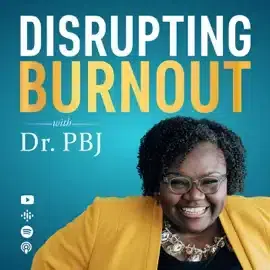
Weekly conversations for overworked servant leaders who love to serve but are exhausted, overwhelmed, and ready to break burnout cycles.
Focus on educators, ministry, and service-driven leaders.
Uses emergency-response metaphors and “S.T.O.P. plans” for burnout crises.
May 2025 episodes are still relevant for anyone in a caregiving or service role.
Give Yourself Some Leeway (Eugene Lee)
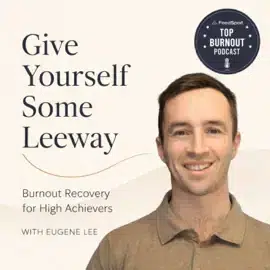
Burnout recovery and performance podcast for high achievers who want sustainable success without grinding themselves into the ground.
Framed around “high achievers” and integrity-driven success.
Coaching-style episodes on boundaries, identity, and nervous-system-aware ambition.
August 2025 episodes are useful if you’re the type who feels guilty for resting.
The Wildcard (Something Different)
Sometimes you need a break from talking about burnout to recover from burnout.
These podcasts don’t fit the traditional “burnout recovery” mold, but they’re weirdly helpful.
Mindful / Burnout (Connor Franta & Lemonada Media)
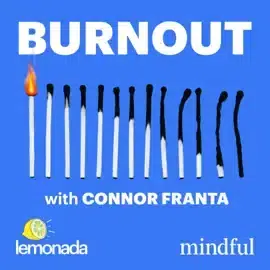
Limited series unpacking how modern work and culture drive burnout, mixing personal story, experts, and systemic critiques of “grind” life.
More reportorial and systems-level than self-help.
Useful for context on burnout vs depression as social problems, not just individual issues.
December 2024 series with 2025 reruns and features.
Your Supernova Moment (Maggie Supernova)
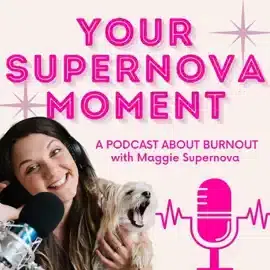
A burnout prevention and recovery podcast that traces the host’s own “supernova” burnout and helps listeners recognize signs before shutdown.
Emphasis on storytelling the full burnout arc and inspiring life redesign.
Skewed toward big life pivots and mindset shifts.
Good if you’re considering blowing up your entire life and starting over.
Financial Freedom w/ Dr. Christopher Loo
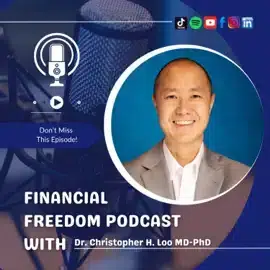
Money and lifestyle show with episodes on burnout recovery for high-achieving entrepreneurs and professionals seeking healthier success.
Burnout framed through financial independence and career redesign.
Useful crossover for FIRE-adjacent readers feeling work exhaustion.
February 2025 burnout episode connects the dots between financial stress and nervous system collapse.
The Daily Stoic Podcast (Ryan Holiday)

Philosophy meets burnout recovery through ancient Stoic wisdom.
Short daily episodes on resilience, perspective, and what you can control.
Useful when you need a mental reset that doesn’t feel like “self-help.”
Not explicitly about burnout, but the Stoic framework of focusing on what you can control is weirdly perfect for 2025’s chaos.
How to Actually Use These Podcasts (Not Just Add Them to Your Queue)
I know you’re going to save this article and never read it again.
That’s fine.
Just pick one podcast.
One.
Don’t try to listen to all 16.
Don’t create a “burnout recovery” playlist with 47 unplayed episodes.
Start with one podcast, one episode.
Listen during low-cognitive-load activities: walking, commuting, dishes, lying in bed staring at the ceiling.
Don’t force yourself to finish episodes that aren’t working.
If a host’s voice annoys you, move on. 2026 is your Mjölnyear. Only what’s worthy.
If the advice feels preachy, skip it.
If an episode makes you feel worse, stop listening.
Podcasts are supplemental, not a replacement for professional help.
Pair them with other self-care: walks, journaling, therapy, and actual rest.
Set boundaries around podcast consumption—don’t let “learning about burnout” become another thing on your to-do list.
And if you’re in crisis, call or text 988 for the Suicide & Crisis Lifeline.
Podcasts are for maintenance, not emergencies.
I have 47 unplayed episodes in my queue.
Do as I say, not as I do.
But seriously—pick one podcast from the list above.
Listen to one episode this week.
See if it helps.
If it does, keep going.
If it doesn’t, try a different one.
Podcasts work best as part of a broader mental health toolkit—combine them with evidence-based strategies for managing stress and anxiety for maximum impact.
The goal isn’t to “fix” yourself with podcasts.
The goal is to feel less alone while you figure out what comes next.
You’re Not Broken, 2025 Is

This isn’t individual failure.
It’s collective trauma.
We’re all playing a rigged game where the rules change every quarter, and nobody wins.
Podcasts won’t fix systemic problems.
They won’t make the job market less cooked.
They won’t make rent affordable or healthcare accessible or the future less terrifying.
But they can help you survive until things get better.
They can remind you that you’re not alone.
They can give you tools to manage the nervous system chaos.
They can validate that what you’re experiencing is real, shared, and not your fault.
I’m still burned out.
But I’m less alone.
And I have a better understanding of the difference between burnout vs depression, which means I know what I’m dealing with and what kind of help I need.
Pick one podcast.
Listen to one episode.
See what happens.
We’re all cooked.
But we’re cooked together.
And sometimes that’s enough to keep going.
FAQ
What’s the difference between burnout and depression?
Burnout is situational—tied to chronic workplace stress that hasn’t been managed.
Depression is pervasive—it affects all areas of life, even things you used to enjoy.
Burnout can lead to depression if left untreated, which is why early intervention matters.
Can podcasts really help with burnout?
Research shows that audio interventions can activate the parasympathetic nervous system, reducing stress hormones and heart rate.
Podcasts aren’t a replacement for therapy, but they provide accessible education, validation, and practical tools when you’re too exhausted to read.
How do I know if I need therapy vs just podcasts?
If you’re in crisis, experiencing suicidal thoughts, or unable to function in daily life, call 988 or seek professional help immediately.
If you’re burned out but still functioning, podcasts can be a helpful first step while you figure out next steps.
If symptoms persist or worsen, see a therapist.
Which podcast should I start with?
If you need to understand the difference between burnout and depression: The Mental Fitness Podcast or Real Life Counseling Podcast.
If you need practical recovery tools: The Burnout Recovery Podcast or FRIED. The Burnout Podcast.
If you need validation and community: Black Girl Burnout or Give Yourself Some Leeway.
If you need something different: The Daily Stoic Podcast or Mindful/Burnout.
Are these podcasts free?
Yes, all podcasts listed are free to listen to on Apple Podcasts, Spotify, or their respective websites.
Some hosts offer paid coaching programs or courses, but the podcast content itself is free.
How often should I listen to burnout podcasts?
There’s no rule.
Start with one episode per week and see how it feels.
Don’t let podcast listening become another obligation on your to-do list.
Listen when you need support, skip when you don’t.
What if podcasts aren’t helping?
That’s okay.
Podcasts aren’t for everyone.
If audio content isn’t working for you, try other tools: therapy, support groups, books, journaling, or just talking to friends who get it.
The goal is finding what helps you, not forcing yourself to like podcasts.