The Couples Therapy Podcasts Saving America From Digital Dating Hell


I spent three years on dating apps and came away with carpal tunnel, trust issues, and the emotional intelligence of a goldfish.
Sound familiar?
Here’s what nobody wants to admit: dating apps haven’t democratized love—they’ve weaponized loneliness.
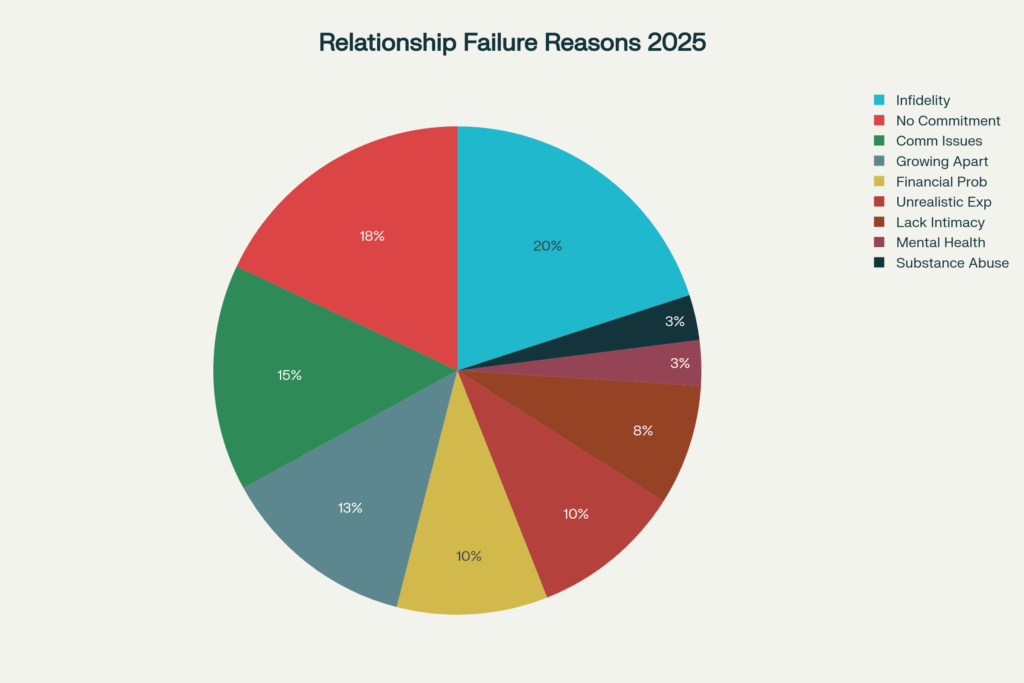
While 50% of engaged couples now meet online, 70% of new relationships fail within the first year.
We’ve created the most sexually frustrated, emotionally disconnected generation in American history.
The only thing standing between us and complete romantic collapse?
Couples therapy podcasts that actually understand what we’re dealing with.
The Numbers Don’t Lie (And They’re Terrifying)
Let me paint you a picture of modern romance with some data that’ll make your Tinder matches look even more depressing.
The average person spends 90 minutes per day on dating apps.
That’s 10.5 hours per week.
547 hours per year.
Swiping through faces like they’re browsing Netflix.
But here’s the kicker: despite having access to more potential partners than any generation in history, we’re lonelier than ever.
Dating app users report higher levels of anxiety, depression, and body dysmorphia than non-users.
The paradox of choice isn’t just real—it’s relationship kryptonite.
When you can swipe to the next option in 0.3 seconds, why work through conflict?
Why develop emotional resilience?
Why learn to be bored together?
We’ve gamified love and lost the ability to actually love.
The Real Problem Isn’t Communication (It’s Dopamine)
Every relationship expert tells you the problem is communication.
They’re wrong.
The problem is that we’ve rewired our brains for instant gratification in a medium that requires delayed gratification.
Dating apps are designed like slot machines.
Variable reward schedules.
Intermittent reinforcement.
The same psychological principles that create gambling addicts.
Your brain gets a dopamine hit every time you get a match.
But that same brain chemistry makes you incapable of appreciating the slow burn of actual intimacy.
You know what doesn’t give you a dopamine hit?
Listening to your partner complain about their boss for the 47th time.
Working through a disagreement about money.
Choosing to stay home on a Saturday night instead of seeing who’s available on the apps.
We’re fighting the attention economy with Stone Age relationship skills.
And we’re losing.
Why Your $200 Per Hour Therapist Doesn’t Get It
I’ve got nothing against licensed therapists. Some of my best friends are or have therapists. Everyone should.
But most of them learned their trade in the pre-digital era.
They’re trying to solve iPhone problems with rotary phone solutions. Touch tone, but you get my point. T9.
Traditional couples therapy focuses on communication techniques developed when your biggest relationship threat was the attractive neighbor, not 3,000 potential matches within a 10-mile radius.
They teach you to “use I statements” and “practice active listening.”
Great advice for 1995.
Useless when your partner is getting validation from strangers on Instagram while you’re talking.
The therapy industrial complex has built a $4 billion business model around keeping couples in perpetual dysfunction.
Think about it: if they actually fixed your relationship quickly, they’d lose a customer.
It’s not the therapists themselves, but the unintended consequence of the service they offer in the society we live in. There’s a natural tension they’re working around.
That can be hard.
The podcasts that work?
They’re hosted by people who’ve been through the digital dating meat grinder and lived to tell about it.
The Podcast Revolution: What Actually Works
The Divorced Comedians Who Get It
Couples Therapy with Candice and Casey
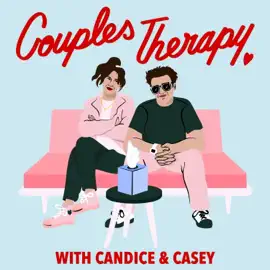
Two comedians who’ve been married, divorced, and remarried (to each other).
They understand that modern relationships are equal parts love story and psychological warfare.
Casey admits to checking dating apps while married.
Candice talks about the Instagram DMs that almost ended their relationship.
They don’t pretend to have it figured out—they just share what they’ve learned from screwing up.
The Savage Lovecast
Dan Savage has been giving relationship advice since before Tinder existed.
But he’s evolved with the times.
His advice acknowledges that monogamy is harder when you’re carrying 50 potential affairs in your pocket.
He doesn’t shame you for having wandering eyes.
He gives you tools to manage them.
The Data-Driven Therapists Who Acknowledge Reality
The Gottman Institute Podcast
John and Julie Gottman have studied 40,000 couples over four decades.
Their research predates smartphones, but their recent episodes tackle digital infidelity, social media jealousy, and dating app addiction.
They’ve identified the “Four Horsemen” of relationship apocalypse: criticism, contempt, defensiveness, and stonewalling.
Guess what amplifies all four?
Digital communication.
Where Should We Begin? with Esther Perel
Perel takes you inside real therapy sessions with couples dealing with modern relationship challenges.
You hear actual people working through Instagram jealousy, dating app addiction, and the paradox of choice.
As Perel notes, “One of the most powerful ways for people not to feel deeply alone is for them to feel listened to.”
But she goes deeper: she understands that feeling “listened to” is harder when your partner is literally listening to 47 other people via text, DM, and social media.
The Contrarian Voices Who Challenge Everything
The Tim Ferriss Show (relationship episodes)
When Tim interviews relationship experts, he asks the questions other hosts won’t:
“What percentage of relationships should actually end?”
“How do you know when you’re settling vs. being realistic?”
“What’s the ROI on couples therapy?”
He treats relationships like the high-stakes negotiations they actually are.
The School of Greatness (relationship episodes)

Lewis Howes interviews experts about the intersection of personal growth and relationships.
The episodes that hit hardest are the ones about healing your own digital addiction before trying to fix your relationship.
The Uncomfortable Truths These Podcasts Tell You
Ready for some relationship real talk that’ll make your Instagram-perfect couple friends uncomfortable?
Most Relationships Should End (And That’s Okay)
The dirty secret of the relationship advice industry: most couples aren’t compatible.
They’re just afraid to be alone.
In the pre-digital era, you had limited options, so you learned to make it work.
Now you have unlimited options, so you stay in mediocre relationships while fantasizing about upgrades.
The best podcasts don’t try to save every relationship.
They help you figure out which ones are worth saving.
Compatibility Trumps Chemistry Every Time
Chemistry is what you feel when you see their dating profile.
Compatibility is what you need when they leave dishes in the sink for three days straight.
Dating apps optimize for chemistry.
Successful relationships require compatibility.
The podcasts that work teach you to evaluate long-term compatibility, not just short-term attraction.
The Myth of “The One” in an Infinite Choice Environment
When you had 50 potential partners in your small town, finding “the one” made sense.
When you have 50,000 potential partners on your phone, “the one” becomes a mathematical impossibility.
The most successful couples today don’t believe in soulmates.
They believe in choosing someone and building something together.
Why Settling Might Be the Smartest Thing You Can Do
“Settling” has become a dirty word.
But what if settling is actually the mature response to infinite choice?
The paradox of choice research is clear: more options lead to less satisfaction.
The couples who thrive aren’t the ones who found perfection.
They’re the ones who found “good enough” and stopped looking.
How to Choose Your Digital Detox Podcast
Match the Format to Your Damage Level
If you’re addicted to the swipe: Start with shows that acknowledge the dopamine hit without shaming you for it.
If you can’t commit: Listen to podcasts about the psychology of choice and decision-making.
If you’re in a relationship but still browsing: You need shows about digital boundaries and modern monogamy.
If you’re completely burned out: Start with the comedians who make dysfunction funny.
Start with Your Biggest Digital Dating Wound
Swipe Fatigue
You’ve been on the apps so long you can’t remember why you started.
Every profile looks the same.
Every conversation dies after three messages.
Listen to: Episodes about breaking the cycle of endless searching.
Commitment Phobia
You want a relationship but panic when things get serious.
You self-sabotage when someone actually likes you.
You keep one foot out the door “just in case.”
Listen to: Shows about attachment styles and fear of vulnerability.
Digital Infidelity
You or your partner crossed lines online.
Maybe it was just flirting.
Maybe it was more.
Trust is broken and you don’t know how to rebuild it.
Listen to: Podcasts that address modern infidelity without judgment.
Long-term Relationship Maintenance in the Digital Age
You’ve been together for years but the apps are still tempting.
Social media makes you question your choices.
You love your partner but wonder if you’re missing out.
Listen to: Shows about maintaining connection in a distracted world.
The Podcasts by Problem Type
For Swipe Fatigue: Breaking the Addiction
“Therapy for Black Girls”
Dr. Joy Harden Bradford addresses dating app burnout with cultural context.
She understands that the apps can be particularly brutal for women of color.
Her episodes on digital dating detox are practical and compassionate.
“On Being”
Krista Tippett explores the spiritual cost of treating humans like consumer choices.
Episodes about presence, mindfulness, and authentic connection.
Perfect for when you need to remember that love isn’t a transaction.
For Commitment Phobia: Learning to Choose
“The Life Coach School Podcast”
Brooke Castillo’s episodes on decision-making and commitment.
She teaches you to manage your brain’s resistance to choosing one person.
No spiritual bypassing—just practical tools for making decisions and sticking with them.
“Dear Sugars”

Cheryl Strayed and Steve Almond answer letters from people paralyzed by choice.
Their advice cuts through the noise and gets to the heart of what matters.
For Digital Infidelity: Rebuilding Trust
“Sex with Emily”

Dr. Emily Morse addresses modern infidelity without shame.
She understands that emotional affairs happen in DMs now.
Her episodes on rebuilding intimacy after digital betrayal are essential.
“The Relationship School Podcast”
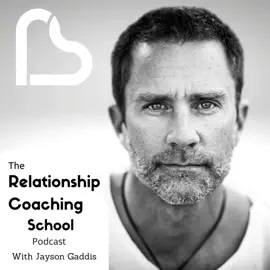
Jayson Gaddis focuses on conscious relationships and repair.
Episodes about taking responsibility, making amends, and rebuilding trust.
The Bottom Line: Survival Tools for the Digital Age
We can’t go back to pre-digital dating.
The apps aren’t going anywhere.
Social media isn’t disappearing.
The attention economy isn’t slowing down.
But we can learn to navigate it intelligently.
These podcasts aren’t just entertainment—they’re relationship survival tools for the digital age.
They acknowledge the reality of modern love without pretending it’s easy.
The couples who thrive in the digital age aren’t the ones who avoid technology.
They’re the ones who understand its psychological impact and develop strategies to manage it.
They set boundaries around phone use.
They have honest conversations about digital temptation.
They choose each other daily, even when the apps are offering alternatives.
The cost of doing nothing?
Becoming another statistic in the 70% of relationships that fail within the first year.
Your relationship deserves better than that.
You deserve better than that.
Start with one podcast that resonates with your situation.
Listen together when possible.
Take action on what you learn.
The best part?
You can access world-class relationship guidance anytime, anywhere, for free.
That’s pretty powerful stuff for something you can listen to while avoiding eye contact with your partner on the subway.
Frequently Asked Questions
Q: Are couples therapy podcasts a replacement for actual therapy?
A: No, but they’re often more relevant than traditional therapy for digital-age relationship problems. If you’re dealing with serious issues like abuse or addiction, seek professional help. But for navigating modern dating and relationship challenges, these podcasts offer insights that many therapists simply don’t have.
Q: What if my partner thinks listening to relationship podcasts means we’re in trouble?
A: Start listening solo and implementing what you learn. When your partner sees positive changes, they’ll get curious. Frame it as relationship maintenance, not crisis intervention. You wouldn’t wait until your car breaks down to change the oil.
Q: How do I know if a podcast’s advice is right for our relationship?
A: Trust your gut. If advice feels manipulative, overly simplistic, or ignores the realities of modern dating, keep looking. The best podcasts acknowledge that relationships are complex and that one-size-fits-all solutions don’t exist.
Q: Can listening to too many relationship podcasts create more problems?
A: Yes, if you become obsessed with analyzing every interaction or constantly trying new techniques. Focus on implementing one or two strategies consistently rather than overwhelming yourselves with information. Analysis paralysis is real.
Q: Why do you think podcasts work better than traditional relationship advice?
A: Because they’re created by people who understand the digital dating landscape. They acknowledge that modern relationships face challenges that didn’t exist 20 years ago. Plus, they’re free, accessible, and you can consume them while doing other things. The barrier to entry is lower than therapy, so people actually engage with the content.
Q: What’s the biggest mistake couples make when trying to improve their relationship?
A: They focus on communication techniques while ignoring the digital distractions that make communication impossible. You can’t practice active listening while scrolling Instagram. The most important relationship skill in 2025 isn’t talking—it’s being present.

Previous Story
The Sound of Influence: How Podcasts Are Redefining Media, Money, and Politics
Next Story
Movember Podcasts: The 2025 Guide To Shows Driving Men’s Health, One Episode At A Time